Existing records disagree
Combine authorized drawings, models, surveys, scans and field records into a baseline with visible source and verification status.
 ZX COLLABSSend project scope
 Owner + facility information support
We help owners, developers and FM teams turn available project, survey and asset records into scoped existing-condition models, record information and digital handover packages—with source and verification status kept visible.
Start with one operational use case, the available records and the system or team expected to receive the information.
 01 · Captured spatial context
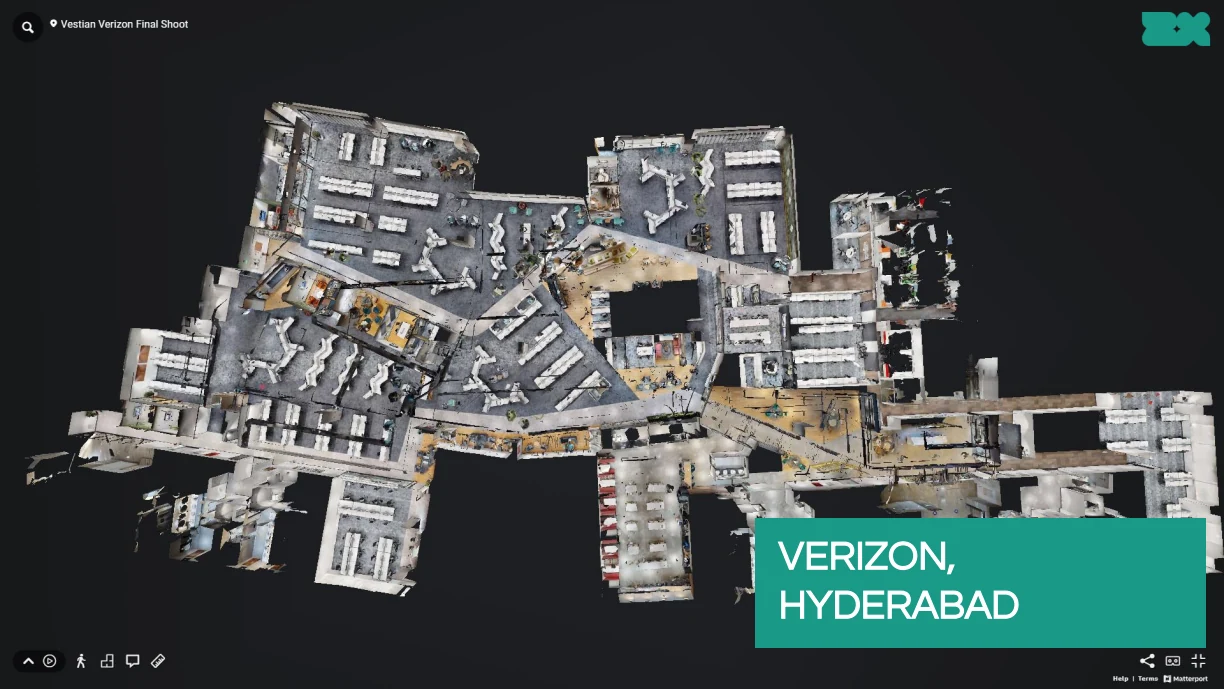 02 · Whole-floor coverage view
Where owners lose information value
Maximum geometry is not the goal. The useful information set is the one a named person can trust, find, import, review or maintain for a defined task.
Combine authorized drawings, models, surveys, scans and field records into a baseline with visible source and verification status.
Define the model, document, asset-data and issue evidence needed before the project team disperses.
Scope existing-condition information around the design, quantity, coordination or survey decision it must support.
Map required identifiers, fields, documents and validation to the actual receiving workflow before demanding a platform label.
From requirement to usable record
The owner names the decision and authority. The delivery route then connects source records, verification, model information, documents and acceptance.
Identify the user, asset decision, required frequency, receiving system and value of the information.
Specify spaces, systems, maintainable assets, identifiers, fields, documents, formats and responsibility.
Inventory drawings, models, scans, surveys and field records; distinguish verified, inferred and missing conditions.
Develop the scoped model and data, run named checks, record exceptions and test representative exchanges.
Record acceptance, limitations, source files, permissions, restore route and responsibility for future updates.
Related owner + FM work
Reality capture · Bengaluru, India
Reality capture · Hyderabad, India
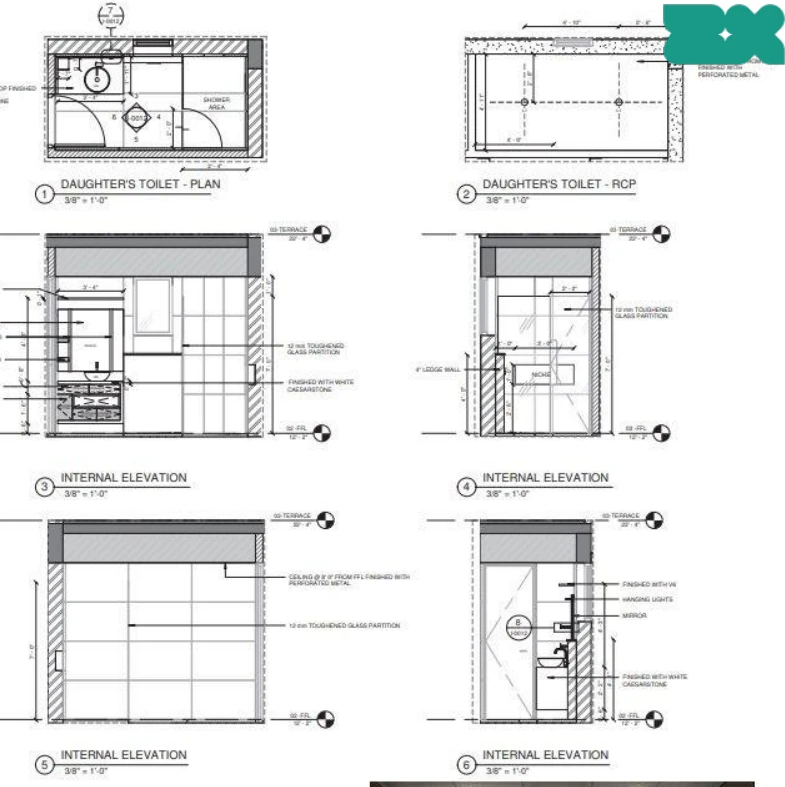
Model + documentation · Bengaluru, India
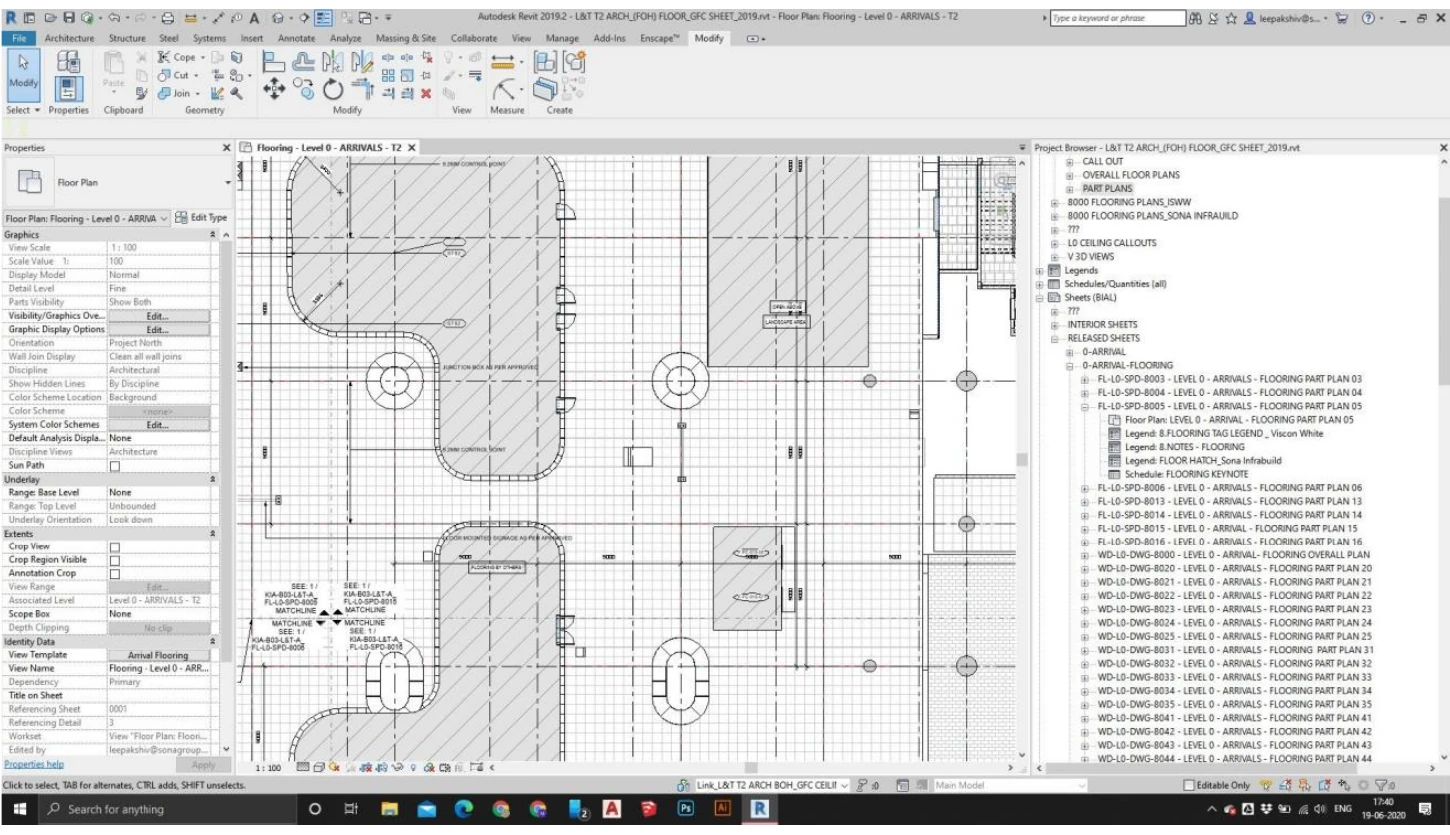
Model + documentation · Bengaluru, India
An owner brief worth testing
One representative asset class, room or model zone can expose whether the required information is available, verifiable, importable and maintainable.
Operational use — who needs to decide, locate, inspect, maintain or plan what.
Asset scope — buildings, floors, spaces, systems, equipment and exclusions.
Source authority — models, drawings, surveys, scans, O&M records and field verification.
Information structure — IDs, classifications, fields, documents, units and naming.
Receiving route — people, CDE, CAFM/CMMS, archive or future-project workflow.
Acceptance + upkeep — tests, exceptions, approver, update trigger and record owner.
Choose the starting condition
Begin with the smallest bounded outcome that can be verified. Wider rollout follows only after the first exchange works for its intended recipient.
Authorized CAD, PDF, scan, point-cloud or field records must become a scoped model or drawing base for renovation and review.
Scope the baseline ↗Approved construction records, asset fields, documents and open issues must be reconciled into a stated close-out output.
Review handover support ↗The owner needs to test use cases, available records, receiving systems and acceptance before procuring a larger model or platform.
Request a review ↗Find handover, information-management, digital-twin and sourcing guidance in one route.
Browse resources ↗Plain-language guideSeparate a static model, connected view and governed operational twin.
Read the guide ↗Management playbookWork backward from use cases, required fields, acceptance and upkeep.
Use the playbook ↗COBie, AIM + digital-twin boundaries
COBie can structure maintainable-asset information, but it is not a universal substitute for an owner’s requirements, model files, documents, system mapping or acceptance. The current project should define the applicable edition, required fields, responsibility and validation.
An Asset Information Model is an information resource governed around asset use; it is not proven by a filename. A live twin additionally needs maintained systems, connections, permissions, synchronization and operational ownership.
For an official COBie starting point, see the National Institute of Building Sciences COBie module ↗.
Owner + FM questions
A scope can include existing-condition or record-model development, verified change incorporation, asset-information schedules, drawing and model reconciliation, close-out issue tracking, model health review and a client-format handover package. The required use, source authority, verification, fields, formats and acceptance tests must be named.
No. A dependable record distinguishes captured, measured, verified, inferred and client-supplied information. Survey method, coordinate basis, tolerance, inaccessible conditions and approval route must be stated. A model label alone does not prove field accuracy.
No. COBie is one structured exchange approach for maintainable-asset information. The owner should begin with operational use cases, required fields, identifiers and the receiving system, then select the smallest exchange that those workflows can accept and maintain.
We can prepare, map and validate structured BIM and handover information for an agreed import or integration route. Live sensor connections and ongoing platform operation need a separate, specifically agreed scope.
No. A static record or asset-information model may support a future twin, but a live digital twin needs governed identifiers, maintained source systems, integrations, synchronization, access, validation and accountable operational ownership.
A bounded review can inventory models, drawings, documents, asset fields, open issues and missing authority, then separate repairable gaps from decisions or evidence the project parties must supply. Recovery feasibility depends on the available records, access, programme and acceptance route.
Yes. A representative area or asset class can test the information requirement, source reliability, model setup, data structure, review route and receiving-system assumptions before wider rollout.
Start with the deliverable
Send the operational use case, asset scope, available records, verification status, required fields, receiving system and target date. We will identify missing information controls before proposing a model or handover package.