
The short answer
A dependable BIM appointment is not selected from one rating or sample image. Define one representative package, state its intended use and acceptance criteria, and ask each serious candidate to expose the same seven things: relevant evidence, scope comprehension, QA, information control, responsibility and change, capacity and communication, and security and continuity.
Useful buying rule: do not compare fees until the candidates are pricing the same inputs, output, review cycle, revision assumption and responsibility boundary.
A seven-step selection sequence
- Make the package comparable. Name the model or drawing purpose, disciplines, representative inputs, required outputs, software, first review and final issue date.
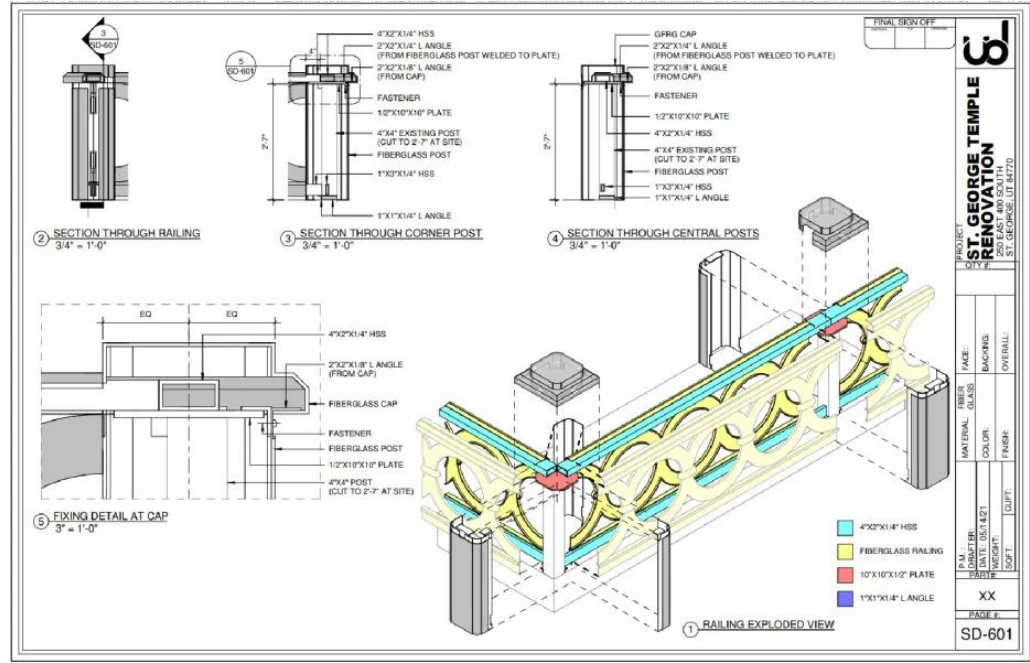
- Request relevant evidence. Ask for a comparable deliverable and an explicit statement of what the candidate produced, coordinated, checked or approved.
- Evaluate the control system. Review coordinates, versions, issue ownership, QA records, approvals and the exchange route—not only the finished image.
- Test scope comprehension. A strong response identifies missing inputs, dependencies and exclusions before converting uncertainty into a fee.
- Run a representative-file review. Use a small but realistic input and the same acceptance test for shortlisted routes. Agree whether this is a paid pilot, proposal exercise or technical review.
- Normalize the commercial comparison. Separate production, client review, revisions, rework from changed information, software, meetings and handover.
- Record the appointment decision. Preserve the evidence reviewed, assumptions accepted, gaps remaining, chosen controls and approval authority.
Evidence that supports a decision
| Decision area | Useful evidence | Weak proxy |
|---|---|---|
| Comparable capability | Redacted model/drawing example with stage, discipline, output and contribution boundary | Uncaptioned render or long project-name list |
| Quality control | Check rule, exact file version, reviewer, result, corrective action and verification record | “100% quality” or “clash-free” promise |
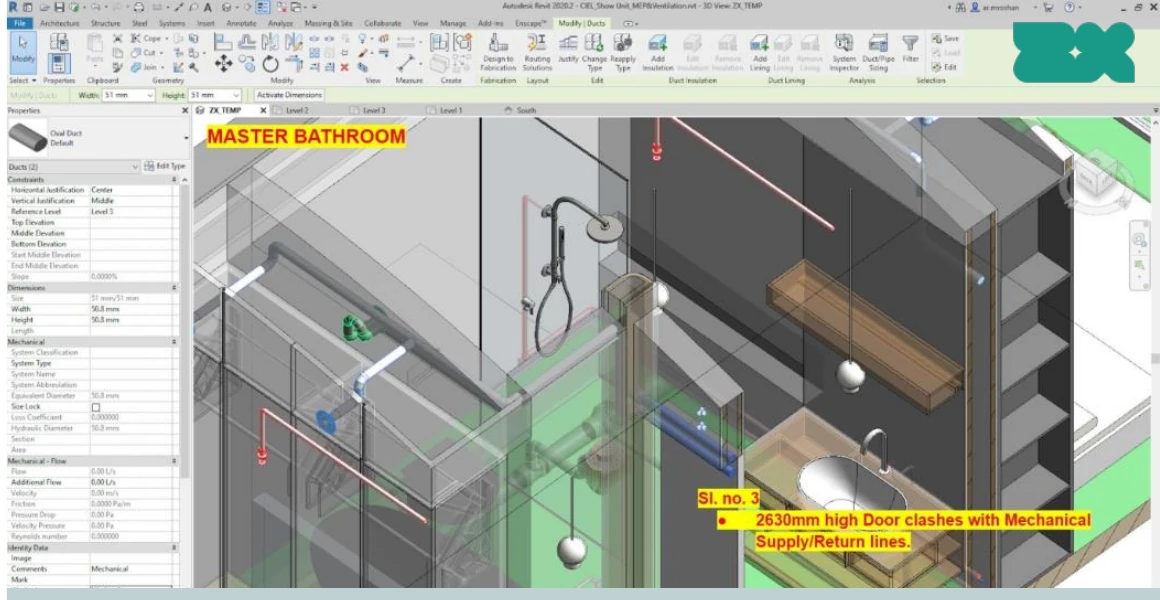
| Coordination | Issue classification, viewpoint, owner, decision route, status and closure evidence | Raw clash count without responsibility or resolution |
| Programme | Production, review and revision windows with client dependencies | Final date without input or approval assumptions |
| Capacity | Named roles, availability, review cadence, overlap and continuity route | Team-size claim without assignment plan |
| Security | Approved systems, permissions, subcontractor rule, retention/deletion and incident contact | NDA alone |
| Commercial clarity | Included deliverables, revisions, assumptions, exclusions and change triggers | Hourly rate or lump sum without a normalized scope |
Fifteen questions to ask
- Can you restate the required purpose, inputs, outputs, exclusions and unresolved questions?
- Which published example is most comparable, and what part did your team actually deliver?
- Who will work on this package, who checks it and what happens if a named person becomes unavailable?
- Which software version, templates, coordinates and exchange formats will govern?
- Which checks apply to models, drawings, parameters, clashes, quantities or handover data?
- What exact record proves an issue or QA failure is closed on the relevant file version?
- Who owns design decisions, technical approval and acceptance?
- Which client inputs and review durations does the programme assume?
- How many revisions are included, and what creates a change request?
- How will WIP, shared, issued, superseded and archived information be distinguished?
- Which systems may store project files, and who may access or subcontract the work?
- What will be returned, retained or deleted at close-out?
- Can we test one representative input and output before scaling the appointment?
- What would make you decline or re-scope this package?
- Which statement in your proposal is an assumption rather than verified fact?
Use the full BIM outsourcing scope checklist ↗
Freelancer, specialist or dedicated team?
Freelancer or individual specialist
Often suitable for a defined package with clear inputs, direct review and limited interfaces.
- Verify personal availability and continuity.
- Keep the output and approval route tightly defined.
- Do not assume marketplace history proves project-specific controls.
Specialist consultancy or dedicated team
Often suitable when the package needs multiple disciplines, sustained capacity, formal coordination or planned continuity.
- Verify the actual assigned people, not only company capability.
- Confirm internal QA and escalation responsibility.
- Make interfaces and substitutions visible before mobilization.
An internal team, freelancer and consultancy can all be valid. The deciding question is which route can evidence the required output and control its risks proportionately.
Red flags worth pausing for
- A fixed fee or programme before representative inputs have been reviewed.
- Case studies that do not distinguish the candidate’s contribution from the wider project.
- “LOD 400,” “ISO compliant,” “clash-free” or “digital twin” used without project definitions and evidence.
- No named design-decision, review or acceptance authority.
- Raw clash reports treated as coordination completion.
- Uncontrolled file sharing, unclear subcontracting or no close-out deletion route.
- Refusal to state assumptions, exclusions or conditions that would require re-scoping.
Sources, currency and boundaries
This guide is ZX Collabs’ practical interpretation of appointment and delivery risks. ISO 19650-1 describes a framework for exchanging, recording, versioning and organizing information across the asset life cycle. ISO 19650-2 addresses the delivery-phase information-management process and exchanges. ISO confirms the 2018 editions remain published while revisions are in development, so contracts should identify the applicable edition and national adoption.
- ISO 19650-1 catalogue page ↗
- ISO 19650-2 catalogue page ↗
- ISO/DIS 19650-2 revision page ↗
- buildingSMART BIM Collaboration Format ↗
The scorecard and guide do not certify a provider, reproduce a standard, perform legal or security due diligence, or guarantee project performance. Project appointments, professional responsibility, references, licences, law and competent review remain authoritative.
ZX transparency: apply the same questions to ZX Collabs. Our public project pages state what each image supports and where the claim stops. A project proposal should still identify the assigned scope, team, checks, assumptions and acceptance route.