
For contractors + design-build teams
Turn coordinated information into buildable decisions
Focus BIM effort on interfaces, technical queries, shop-drawing readiness, sequencing, quantities and close-out—not model theatre.
Start with Design + Construction Decision Controls ↗Browse everythingRecommended route
Start with one. Use the next two when you need them.
The first resource gives this role the clearest starting point. Nothing is locked behind an email or account.
Design + Construction Decision Controls
Manage RFIs, technical queries, submittals, decisions, risk, change and close-out evidence.
Coordination + QA Controls
Track model health, exchange readiness, clashes, actions, ownership, due dates, verification and closure.
4D/5D BIM Readiness Checklist
Check programme coding, model breakdown, quantities, cost structure, responsibility, change control, validation and update cadence.
More for contractors + design-build teams 7
OIR, PIR + EIR Information Requirements Starter
Connect one organisational need to a project decision and an appointment-level exchange, with responsibilities, dates and acceptance checks.
BIM Setup + Readiness Check
Score purpose, requirements, people, file control, coordination, project decisions, handover and improvement—then copy a three-step plan.
LOD 300 vs 350 vs 400
Compare geometry, interfaces, coordination purpose and deliverable expectations without treating LOD as a universal shortcut.
BIM Outsourcing Scope Checklist
Use a five-minute snapshot and 32 printable checks for inputs, standards, responsibilities and delivery control.
Model Handover Readiness Check
Test model, data, document, ownership and archive readiness before an exchange or close-out.
Case Studies + Project Media
Browse selected project work, drawings and model views, with a clear explanation of what our team handled.
ZX BIM Brief
Dated, source-led briefings on products, policy, AI, plugins, events, licensing, visualization and open standards.
Keep these decisions visible
Use BIM for an outcome—not as a label.
- 01
Which interfaces need coordination first
- 02
How RFIs, submittals and model changes stay connected
- 03
What model definition supports fabrication or construction use
- 04
What evidence is required before an issue is closed
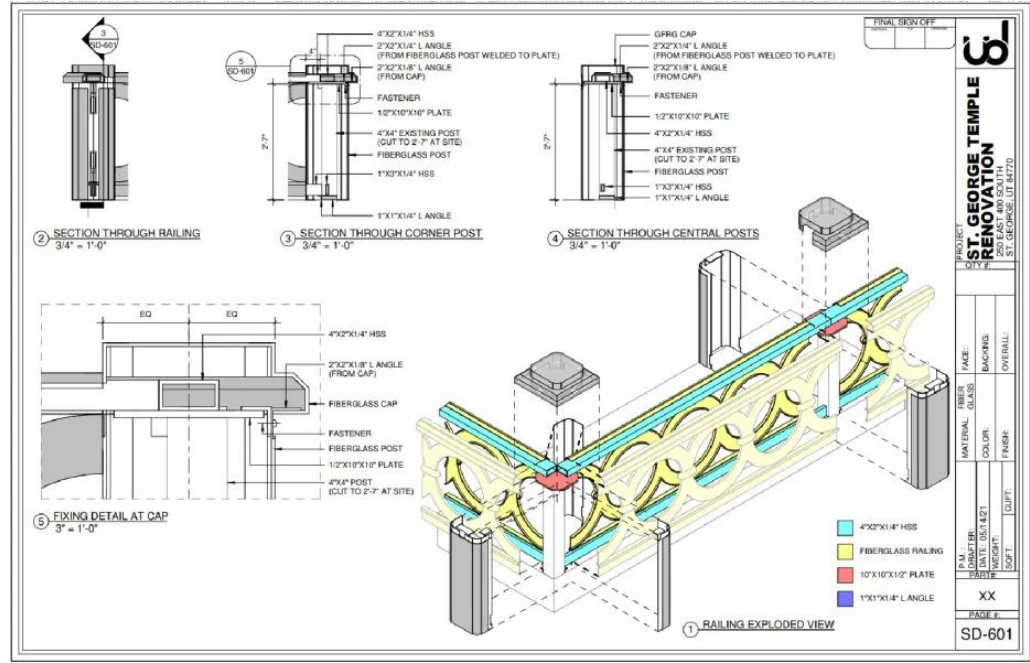
Move the interface
Turn coordination information into an owned construction decision.
Start with the affected zone, disciplines, model versions, issue date and decision authority.
Send a construction package ↗